Friday, May 15, 2015

Aye Aye

Aye Aye (Pronounced Eye-Eye)
Image result for aye aye finger

              This strange, grotesque looking creature is native to the island of Madagascar and is known as the world's largest nocturnal primate. Showing many similarities in it's eyes, ears and tail, the Aye-aye is actually a species of lemur. Equipped with a long, narrow middle finger, it uses its well-adapted extremity to pull grubs out of trees. It begins its hunt for the grub by tapping on the trunks of trees to locate the hidden creature by use of echolocation. Once it has discovered the grubs location, the Aye-aye continues by biting a hole above where the grub is. It then proceeds to reach its abnormal finger down into the tunnel where the grub lies hidden, pierces it with its long claw and begins to pull it out and eat it. This exceptionally intriguing creature has never ceased to amaze me and that is why I have chosen to share it with you :D

Friday, May 8, 2015

Glass Frog

Glass Frog
Image result for glass frog


                 Primarily found from Southern Mexico to Panama to even to the Andes of Venezuela, the glass frog is truly a remarkable creature. As shown in the picture, the glass frog gets it name from the translucency of its skin, allowing one to see through to its organs. Glass frogs are generally of the smaller species of frogs, ranging from 1.2 to 3 inches in length. Similar in appearance to the tree and green frog, the glass frog is often mistaken for its close relatives. Unlike a large number of its cousins, the glass frog is equipped with eyes that face forward, rather than to the sides. I found great interest in this animal because...well it's translucent ;D

Friday, May 1, 2015

Red Panda

Red Panda

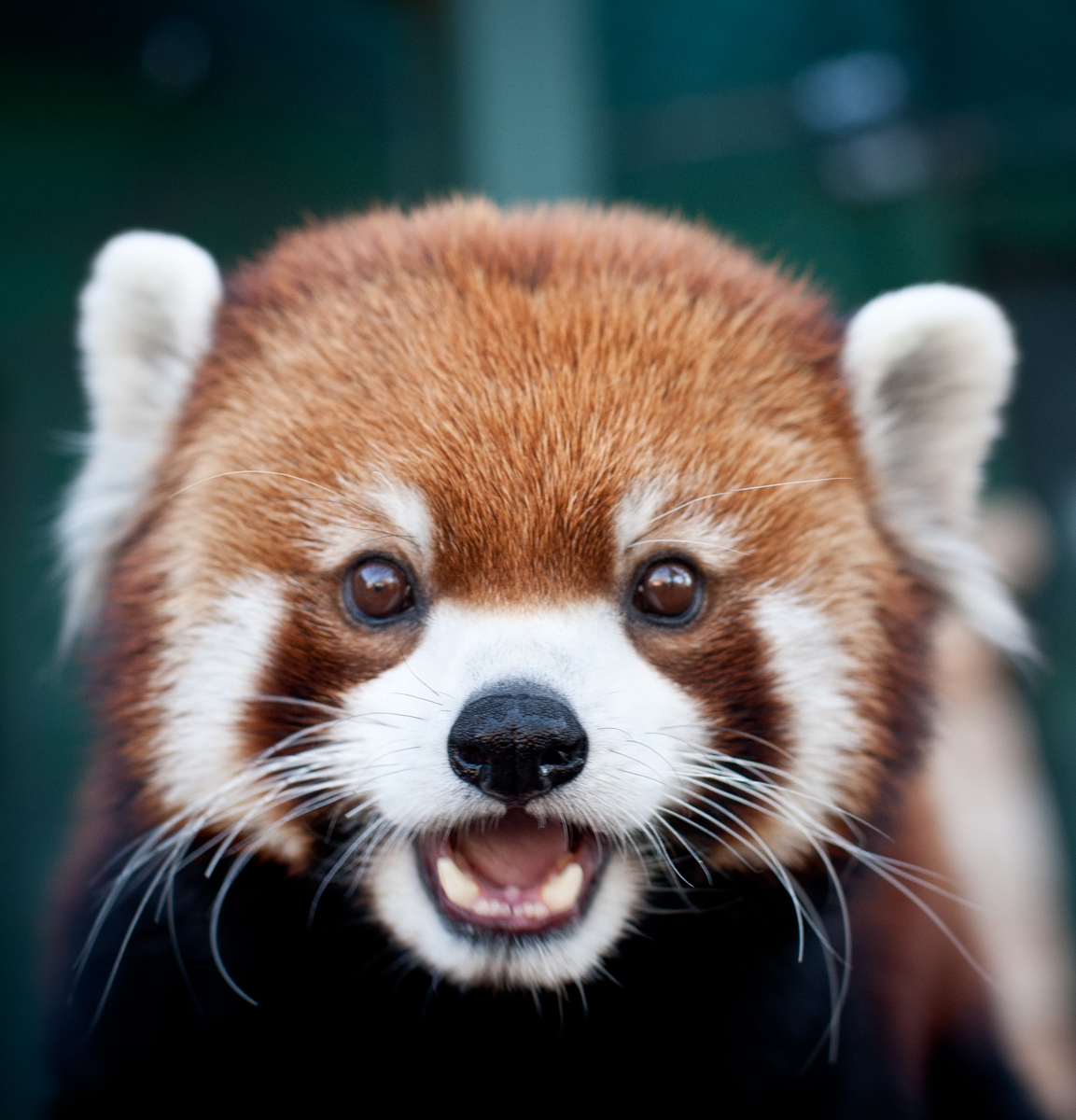
          Contrary to the black-and-white giant that shares its name, the Red Panda is quite small, growing to the size of a house cat. Additionally, their big, bushy tails grow to another 18 inches to wrap around them in the colder mountain heights. Red Pandas mainly live in the mountains of Nepal and northern Myanmar, as well as in central China. Spending most of their lives in trees, Red Pandas actively forage at night as well as in the early hours of dusk and dawn. Like the Giant Panda, Reds have a taste for bamboo, but unlike them, eat a wider variety of other foods ranging from fruits and acorns to roots and eggs. The average life span of a Red Panda is about 6-8 years with which it reaches about 12-20 Lbs depending on its gender. Unfortunately, the shy and solitary creature is an endangered species, victimized by the effects of deforestation. On an unrelated matter, i find these creatures and their playful tendencies rather adorable and amusing and would love to own one as a pet, given their petite size :)